New Gym, New You: How to Crush Your First 6 Weeks

New Gym, New You: A 6‑Week Game Plan You’ll Actually Stick To
New fitness studios are popping up everywhere—from Hoboken to small towns—and January sign‑ups are already surging. But here’s the real question:
What do you do after you swipe that shiny new key tag?
Most people wing it, copy a random influencer workout, get sore, feel lost, and quietly stop going.
You’re not doing that.
This guide gives you a simple, realistic 6‑week plan to go from “new member” to “I know exactly what I’m doing.” No bodybuilding stage dreams required—just strength, confidence, and consistency.
Step 1: Set a 6‑Week Goal That Actually Works
Forget vague goals like “get fit.” For the next 6 weeks, pick one clear, behavior‑based goal:
- Beginner: “Go to the gym 3 days per week for 6 weeks.”
- Returning lifter: “Complete 12 strength workouts in 6 weeks.”
- Busy parent: “Do 2 gym days + 1 home bodyweight session weekly.”
Why behavior, not outcome? Because you can’t directly control the scale—but you can control showing up. And the data is clear: people who set specific, process‑focused goals stick with fitness far longer.
Write your goal down somewhere you see daily.
Step 2: Choose Your Weekly Structure (No Overthinking)
You do not need a perfect split right now. You need a schedule you can actually live with.
Pick one of these:
Option A: 3‑Day Full Body (Great for Most People)
- Monday – Full body
- Wednesday – Full body
- Friday – Full body
Option B: 2‑Day Strength + 1 Cardio/HIIT
- Tuesday – Full body strength
- Thursday – Full body strength
- Saturday – Cardio or HIIT
If you want something pre‑built with smart progression, save time and plug into the Best Full Body Workouts on GrabGains. You can follow those templates exactly while you learn your way around the gym.
Step 3: Your First 2 Weeks – Learn the Moves, Not the Maxes
Think of Weeks 1–2 as “orientation weeks.” Your job isn’t to destroy yourself—it’s to learn technique and build confidence.
Core Movements to Focus On
Each workout, hit these basic categories:
- Lower body push – e.g., squats, leg press, split squats
- Lower body hinge – e.g., Romanian deadlifts, hip thrusts
- Upper body push – e.g., bench press, push‑ups, shoulder press
- Upper body pull – e.g., rows, pulldowns, assisted pull‑ups
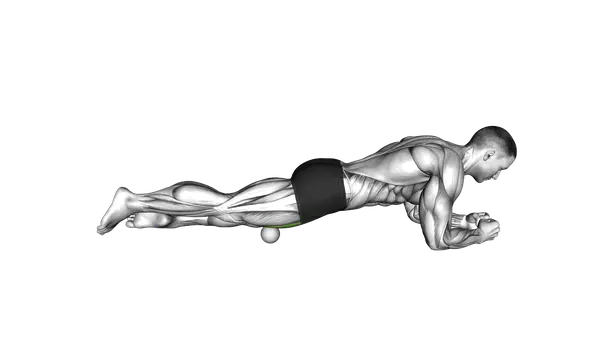
- Core – planks, dead bugs, anti‑rotation work
Need help visualizing good form? Scroll through the movement libraries on GrabGains—for example, the leg exercises page shows variations you can plug straight into your workouts.
Your Week 1–2 Template (3 Days)
Day A
- Goblet squat – 3×10 (light)
- Seated row – 3×10
- Dumbbell bench press – 3×10
- Romanian deadlift – 3×10
- Plank – 3×20–30 seconds
Day B
- Leg press – 3×10
- Lat pulldown – 3×10
- Dumbbell shoulder press – 3×10
- Hip thrust – 3×10
- Dead bug – 3×8/side
Day C
- Walking lunges – 3×8/leg
- Chest‑supported row – 3×10
- Push‑ups (incline if needed) – 3×AMRAP (leave 2 reps in tank)
- Back extension or machine – 3×12
- Side plank – 3×15–25 seconds/side
How hard should it feel?
- Use a weight where you could do 2–3 more reps with good form.
- Rest 60–90 seconds between sets.
- If you’re shaking, grinding, or holding your breath, it’s too heavy for now.
Step 4: Weeks 3–4 – Add a Little Intensity, Not Chaos
By Week 3 you’ll know where things are, how the machines work, and which dumbbells you reach for. Now we gently turn up the dial.
Progression Rules
For Weeks 3–4:
- Keep the same exercises (consistency beats novelty).
- Add 1 set to your main lifts: go from 3×10 → 4×8–10.
- Or add a little weight (2–5 lb per dumbbell or the next plate on machines) if you hit all your reps last week.
Aim for 1–2 reps in reserve (you could do 1–2 more if you had to). That’s the sweet spot for strength and muscle without wrecking your recovery.
Sprinkle in Conditioning (Optional)
If your gym has classes—HIIT, circuits, or conditioning—try one per week as a low‑pressure way to explore. Or use a short, structured session from the Best Hiit Workouts list if you prefer to go solo.
Keep HIIT to 2× per week max while you’re learning strength work. More isn’t better if it leaves you too sore or tired to lift well.
Step 5: Weeks 5–6 – Start Training Like You Belong There
Now you’re not “new” anymore. Weeks 5–6 are about owning your routine and starting to train with real intent.
Option 1: Stay Full Body (Recommended for Most)
Stick with your 3 full‑body days, but:
- Push your main lifts to 4×6–8 reps with a bit more load.
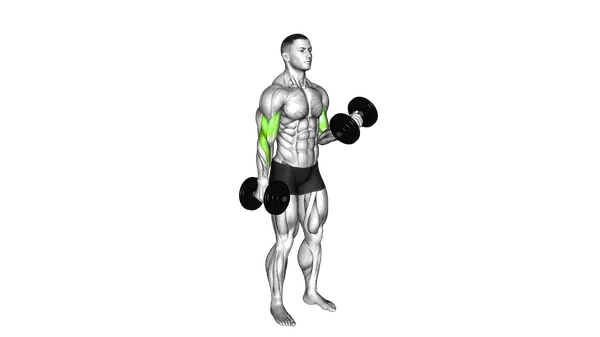
- Add one accessory per muscle group (e.g., biceps curls, triceps pressdowns, lateral raises, calf raises) for 2–3×10–15.
For arm‑focused accessories, you can grab ideas from the arms exercise library on GrabGains.
Option 2: Try an Upper/Lower Split (If You Want Variety)
If you’re consistently hitting 3 days per week and feeling good, you can shift to:
- Day 1 – Upper body emphasis
- Day 2 – Lower body emphasis
- Day 3 – Full body or class/HIIT
This lets you add a bit more volume to each area without living in the gym.
What to Track (And What to Ignore)
Track This Weekly
- Workouts completed (just a simple tally: 0–3)
- Exercises, sets, reps, and weights used
- Sleep quality (poor / okay / great)
After 6 weeks, you should see:
- Higher weights or more reps with the same weight
- Better control and confidence on key lifts
- Less soreness between sessions
Don’t Obsess Over This (Yet)
- Exact scale weight day‑to‑day
- Perfect macros
- “Bulking” vs “cutting” cycles
If you want a simple way to dial in protein and calories without overthinking, tools like the Macro Calculator on GrabGains can give you a baseline. But your priority for these 6 weeks is consistency, not perfection.
Recovery: The Secret Weapon New Lifters Ignore
With legal steroid alternatives, high‑protein diets, and intense classes flooding the fitness news cycle, it’s easy to think you need to go all‑in, all the time.
You don’t.
Focus on the boring basics that actually move the needle:
- Sleep 7–9 hours whenever possible. Muscle grows when you rest.
- Walk more—aim for 6–8k steps/day to support recovery and fat loss.
- Protein with every meal (palm‑sized portion) to support muscle repair.
- 1–2 rest days per week with light movement, stretching, or mobility.
If you’re constantly wiped out, sore for 4+ days, or dreading the gym, you’re pushing too hard for this phase. Pull back slightly and your progress will speed up.
How to Know You’re Winning After 6 Weeks
You’re on track if:
- You know what you’re doing when you walk into the gym.
- You’re lifting more weight or doing more reps than Week 1.
- Your form feels smoother and you recover faster.
- The gym feels like a normal part of your week, not a huge event.
That’s the real transformation: your identity shifts from “someone who joined a gym” to “someone who trains.”
From here, you can step into more specialized paths—like dedicated push/pull splits, a booty‑focused block, or strength‑only cycles—but the foundation you just built will make everything else easier.
For now, commit to this: 6 honest weeks of showing up and doing the work. The rest of your fitness journey gets a lot simpler once you’ve proven to yourself that you can do that.
Frequently Asked Questions
How many days per week should a beginner go to the gym?
How long should a beginner gym workout last?
Should I do cardio or weights first as a beginner?
When should I increase the weight on an exercise?
Related Articles

2-Day Strength Split For Busy Women In 2025
Pressed for time but still want to get stronger? Learn how to use a 2-day strength split to build muscle, boost energy, and stay consistent, even with a packed schedule.

Smart Gym Shopping: How To Choose The Right Gym
New gyms and fancy gear are everywhere, but which gym is right for you? Learn a simple, step‑by‑step method to pick the perfect fitness club for your goals and budget.

Smart Snack Strategy: High‑Protein Snacks For Lifters
Learn how to use high-protein snacks strategically to boost muscle growth, control hunger, and support metabolic health, without obsessively tracking every gram.
Enjoyed This Article?
Check out more fitness tips, workout guides, and nutrition advice on our blog.
Browse All Articles →