High-Protein Mediterranean Meal Prep For Lifters
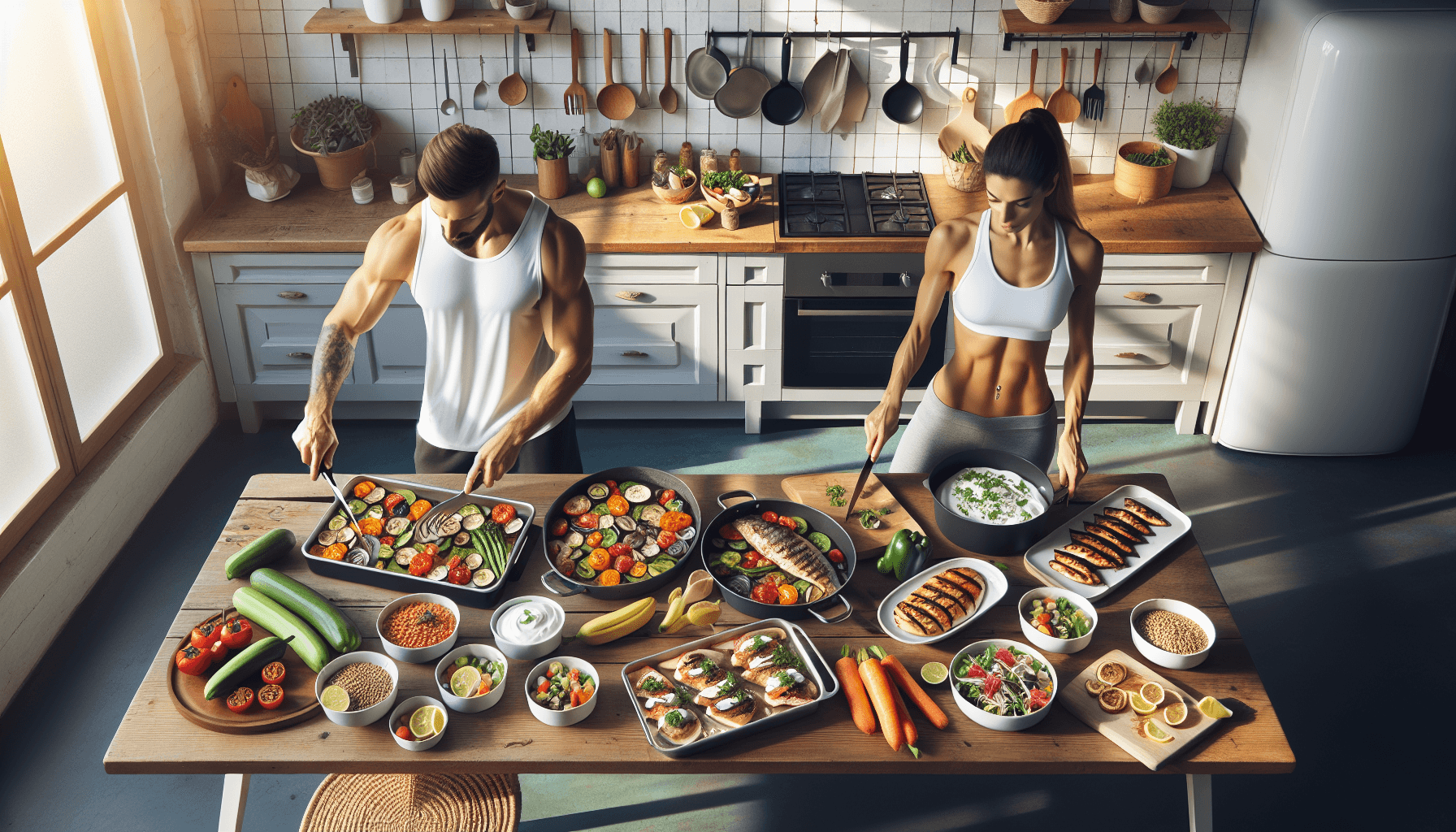
High-Protein Mediterranean Meal Prep For Lifters
If you care about strength, muscle, and long-term health, the Mediterranean diet is having a serious moment right now. Dietitians are pushing high-protein Mediterranean meal plans, whey protein demand is climbing across Europe, and every new trend list seems to mention "longevity" and "muscle quality" in the same sentence.
This is good news for you.
You do not have to choose between eating for performance and eating for health. With a bit of smart meal prep, you can run a high-protein Mediterranean style diet that supports lifting, fat loss, and heart health all at once.
In this guide, you will learn how to:
- Build a high-protein Mediterranean plate for muscle and strength
- Meal prep 3 core protein bases to mix and match all week
- Use whey and plant protein powders without turning your diet into a supplement plan
- Adjust portions for fat loss vs muscle gain
Why Pair Mediterranean Eating With High Protein?
The classic Mediterranean diet is known for:
- Lots of vegetables, fruits, and whole grains
- Olive oil and nuts as main fat sources
- Fish and seafood several times per week
- Moderate dairy, eggs, and poultry
- Limited red meat and ultra-processed foods
Strength training and modern fitness trends add another key piece: adequate daily protein.
Recent mainstream coverage has highlighted a simple rule of thumb for lifters: aim for roughly 1.6–2.2 grams of protein per kilogram of bodyweight per day (or about 0.7–1 gram per pound). That is the zone most research uses for maximizing muscle growth and retention.
The Mediterranean framework already includes great protein sources (fish, legumes, yogurt, eggs). You just need to:
- Push the protein portion slightly higher
- Make it convenient with meal prep
- Use protein powder strategically
The High-Protein Mediterranean Plate Formula
Use this simple template to build almost any meal:
-
Protein anchor (30–40 g protein)
- Options: Greek yogurt, cottage cheese, eggs, lentils, chickpeas, beans, tofu, tempeh, fish, seafood, chicken, turkey, or a whey/plant protein shake
-
Color load (2+ cups vegetables)
- Mix raw and cooked: leafy greens, tomatoes, cucumbers, peppers, onions, zucchini, eggplant, broccoli, carrots
-
Smart carbs (1–2 cupped handfuls)
- Whole grains and starches: oats, quinoa, barley, farro, brown rice, potatoes, sweet potatoes, whole grain pasta, beans and lentils
-
Healthy fats (1–2 thumb-size portions)
- Extra virgin olive oil, olives, nuts, seeds, avocado
-
Flavor boosters (small but powerful)
- Herbs, spices, lemon, garlic, vinegar, plain tomato sauce, chili flakes
If each main meal hits roughly 30–40 g of protein, 2–3 meals plus a snack or shake will usually land you in that evidence-based protein range.
3 Core Protein Bases To Meal Prep This Week
To keep your week simple, prep three protein bases that fit the Mediterranean style. Then build different meals around them so you never feel like you are eating the same thing.
1. Lemon Herb Chicken or Tofu
- Use boneless chicken thighs or firm tofu
- Marinate with olive oil, lemon juice, garlic, oregano, salt, and pepper
- Grill, bake, or air fry in bulk
How to use it:
- With quinoa tabbouleh and cucumber salad
- In a whole grain wrap with hummus and mixed greens
- Over a big salad with chickpeas and roasted peppers
2. Big Batch Lentil and Bean Mix
- Combine cooked lentils and beans (for example, lentils plus chickpeas or cannellini beans)
- Toss with olive oil, lemon, parsley, and diced red onion
How to use it:
- As a base for grain bowls with roasted vegetables
- Mixed into tomato-based sauces and served over whole grain pasta
- As a side next to grilled fish or eggs
3. Mediterranean Yogurt Protein Base
- Use plain Greek yogurt (or a high-protein plant yogurt)
- Stir in a scoop of whey or plant protein if you need extra protein
- Add cinnamon, vanilla, or lemon zest for flavor
How to use it:
- Breakfast bowl with oats or muesli, berries, and nuts
- Post-workout snack with fruit and a drizzle of honey
- Savory dip by mixing in garlic, cucumber, and herbs (like a high-protein tzatziki)
Prep these three bases on a Sunday, and you are 80 percent of the way to a week of high-protein Mediterranean eating.
Sample One-Day High-Protein Mediterranean Menu
Use this as a template and adjust portions to your calorie needs.
Breakfast: Yogurt Power Bowl
- Greek yogurt (or protein-fortified yogurt)
- Oats or muesli
- Mixed berries
- Chopped walnuts
- Drizzle of honey (optional)
Why it works: Fast, high in protein and fiber, plus healthy fats from nuts to keep you full.
Lunch: Lentil Grain Bowl
- Lentil and bean mix
- Quinoa or brown rice
- Roasted vegetables (zucchini, peppers, eggplant)
- Olive oil and lemon dressing
- Feta crumbles (optional)
Why it works: Big volume, lots of fiber, plant protein, and complex carbs to power afternoon training.
Snack: Protein-Boosted Smoothie
- Whey or plant protein powder
- Frozen berries
- Handful of spinach
- Oat milk or water
- Spoonful of ground flax or chia seeds
Why it works: Quick protein hit with extra micronutrients; easy to sip on busy days.
Dinner: Fish and Roasted Potatoes
- Grilled salmon, sardines, or white fish
- Roasted potatoes with olive oil and herbs
- Large side salad with mixed greens, tomatoes, cucumber, olives
Why it works: High-quality protein and omega-3 fats for recovery and heart health.
Using Protein Powder Without Over-Relying On It
With the whey protein market expanding and more plant-based options than ever, it is tempting to live on shakes. But the Mediterranean approach is food-first.
Use powders mainly to:
- Top up protein on days you are short
- Make post-workout nutrition convenient
- Fortify meals that are otherwise hard to protein-load (for example, adding a scoop to oatmeal or yogurt)
Aim for most of your protein from whole foods (fish, eggs, yogurt, legumes, poultry, tofu), and let shakes fill the gaps.
Adjusting For Fat Loss vs Muscle Gain
The Mediterranean pattern stays the same. What changes is portion size and carb emphasis.
For Fat Loss
- Keep protein high (especially at breakfast and dinner)
- Load up on vegetables to stay full
- Use 1 cupped handful of carbs at most main meals
- Be mindful with olive oil and nuts (healthy but calorie-dense)
For Muscle Gain
- Keep protein high (30–40 g at each main meal)
- Add an extra cupped handful of carbs around training
- Include a pre-bed protein snack (yogurt, cottage cheese, or a shake)
- Do not fear olive oil, nuts, and seeds; they help you reach your calorie target
In both cases, focus on consistency over perfection. A mostly Mediterranean, mostly high-protein week beats a "perfect" day followed by three days off the rails.
Simple Meal Prep Workflow (2 Hours Or Less)
Here is a practical weekend plan that fits into a couple of hours.
-
Start grains and legumes
- Put on a pot of quinoa or brown rice
- Cook a batch of lentils or use canned lentils/beans (rinsed)
-
Prep proteins
- Marinate and cook chicken or tofu
- Cook fish fresh during the week (it is quick), or prep one tray of baked fish if you prefer
-
Roast vegetables
- Toss chopped vegetables in olive oil, salt, pepper, and herbs
- Roast on trays while grains and proteins cook
-
Build mix-and-match boxes
- Combine: 1 protein base + 1 grain/legume + lots of vegetables
- Store dressings and olive oil separately to keep things fresh
-
Set up quick-access snacks
- Portion nuts into small containers
- Pre-chop fruit or buy ready-to-eat options like berries and grapes
- Keep yogurt and protein powder visible and easy to grab
When your environment makes the high-protein Mediterranean choice the easy choice, you do not need willpower every time you eat.
Bringing It All Together
You do not need a complicated diet name or a rigid set of rules. If you:
- Center your meals on lean and plant-based proteins
- Eat vegetables at almost every meal
- Use whole grains and legumes as your main carbs
- Rely on olive oil, nuts, and seeds for most of your fats
- Use protein powder as a tool, not a crutch
...you are essentially running a high-protein Mediterranean diet that supports muscle, strength, and long-term health.
Pick one or two ideas from this guide and start this week. Maybe that is a yogurt power bowl for breakfast, or a big lentil grain bowl for lunch. Once that feels automatic, layer in the next small upgrade.
Your training will feel better, recovery will improve, and your future self will be very glad you made the shift.
Frequently Asked Questions
Can you build muscle on a Mediterranean diet?
How much protein should I eat on a Mediterranean diet for lifting?
Do I need whey protein on a high-protein Mediterranean plan?
Is the high-protein Mediterranean approach good for fat loss?
Related Articles

Beat Training Plateaus With Autoregulation in 2025
Stuck in a workout rut? Learn how autoregulation—adjusting training based on how you feel—can break plateaus, boost strength, and keep you progressing all year.

Smart Snack Strategy: High‑Protein Snacks For Lifters
Learn how to use high-protein snacks strategically to boost muscle growth, control hunger, and support metabolic health, without obsessively tracking every gram.

2-Day Strength Split For Busy Women In 2025
Pressed for time but still want to get stronger? Learn how to use a 2-day strength split to build muscle, boost energy, and stay consistent, even with a packed schedule.
Enjoyed This Article?
Check out more fitness tips, workout guides, and nutrition advice on our blog.
Browse All Articles →